VoltH2: accelerating the green hydrogen economy
VoltH2 is a relatively young but ambitious player in the European hydrogen market.
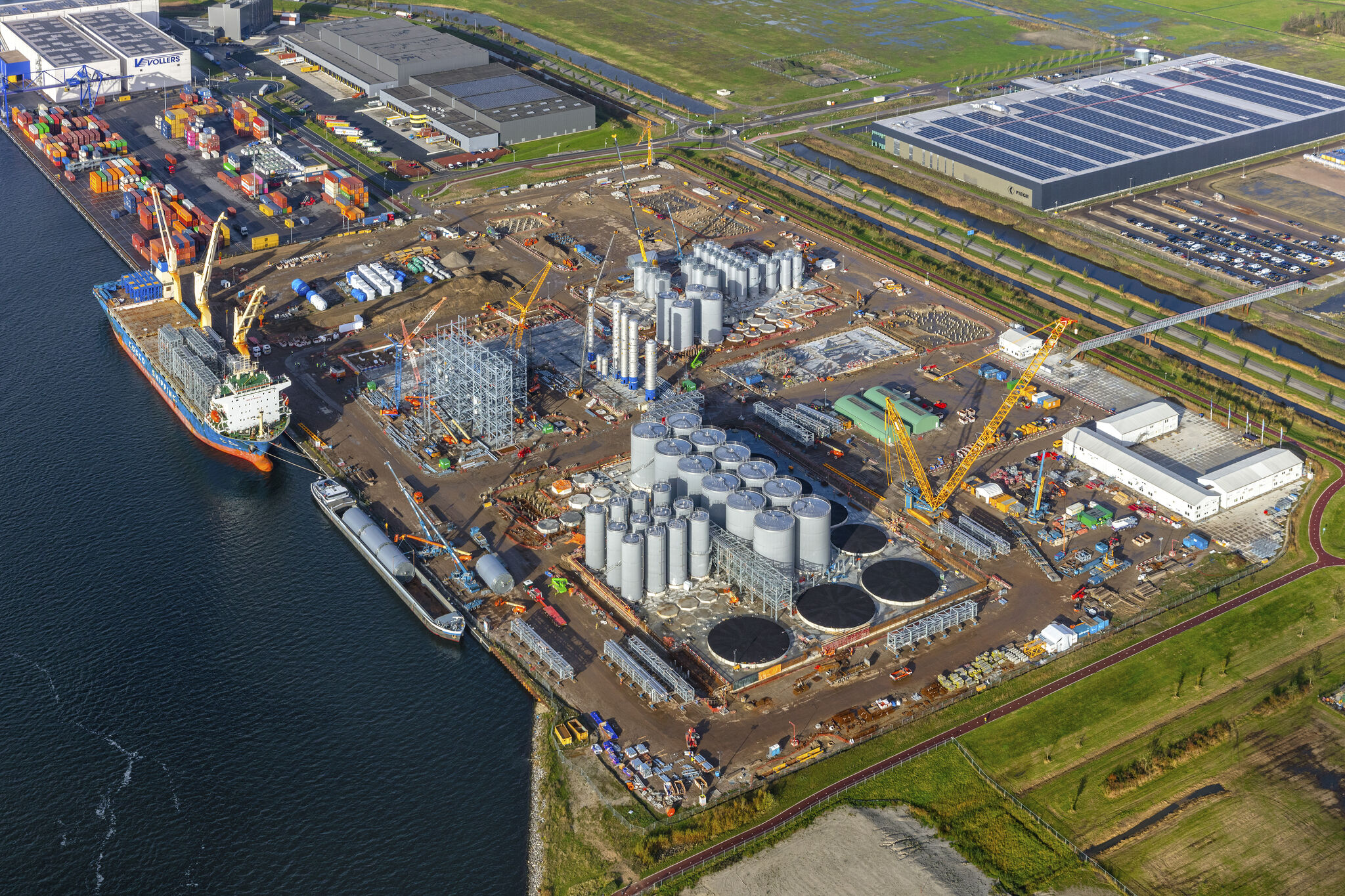
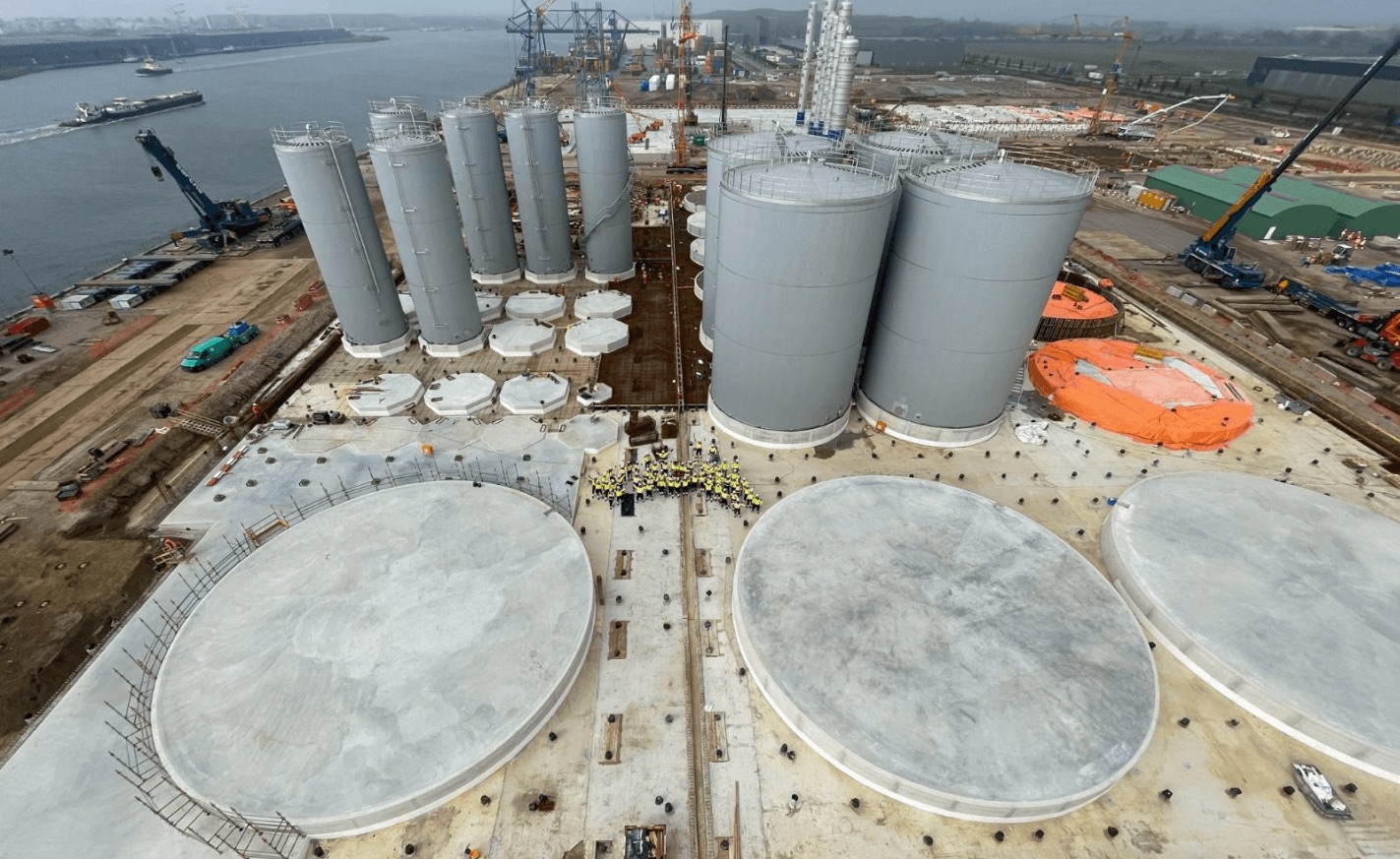
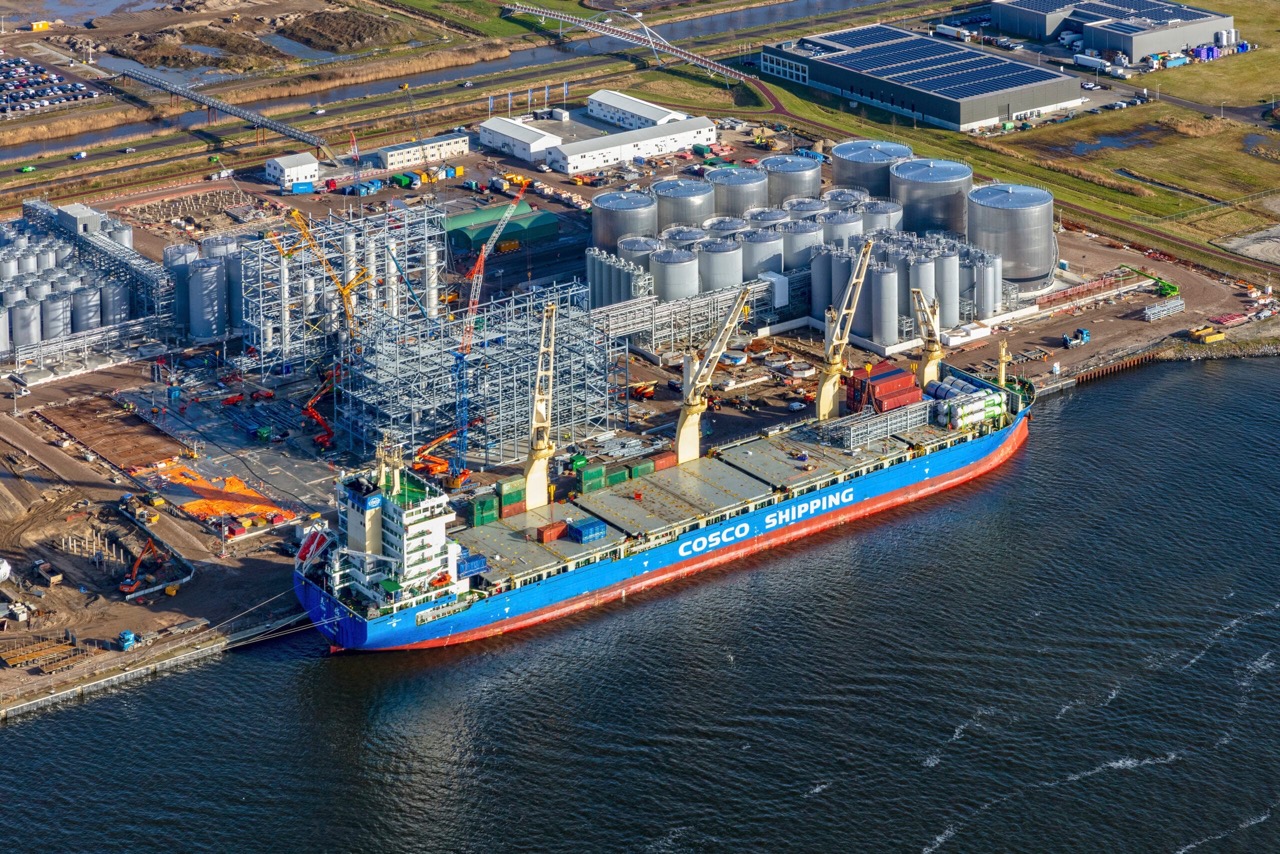
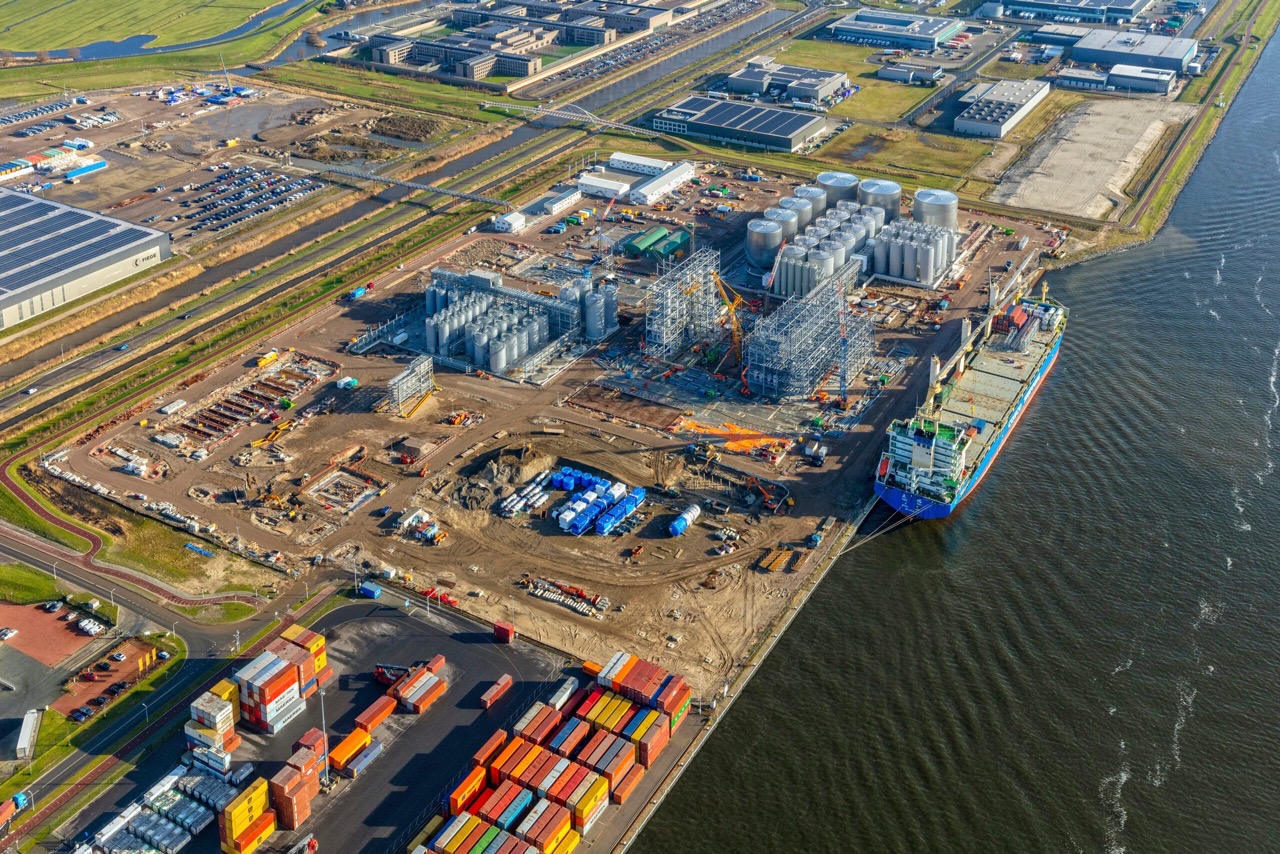
Founded in 2020, the company focuses entirely on the development and operation of large-scale installations for the production of green hydrogen. From its offices in the Netherlands and Germany, VoltH2 is working on a network of hydrogen plants that will soon be able to supply more than 500 MW of electrolysis capacity. By strategically choosing industrial port areas and chemical clusters, the company fits seamlessly into existing infrastructure and customer bases.
In addition to projects in Vlissingen, Terneuzen and German industrial cities such as Wilhelmshaven and Gelsenkirchen, VoltH2 is focusing its attention on the northern Netherlands. Delfzijl plays a key role in this.
Delfzijl: green hydrogen on the Eems
In the port and industrial area of Groningen Seaports, VoltH2 is developing a hydrogen plant that will give a significant boost to the sustainability of the region. An electrolyser with a starting capacity of 50 MW, which can be scaled up to 60 MW, will be built on a site covering approximately three hectares. The plant will run entirely on renewable electricity, mainly from wind energy, and is expected to be operational by the end of 2027.
A large part of the hydrogen produced will be supplied directly to the chemical park in Delfzijl. Chemical company Evonik has already committed to being a customer: it will use the green hydrogen in the production of hydrogen peroxide, which will enable it to significantly reduce its CO₂ emissions. Other industrial parties and transport applications in the region can also benefit, for example through delivery by trailer or connection to future hydrogen pipelines.
A robust power connection for the hydrogen economy: VoltH2's 150 kV project in Zeeland
To power the hydrogen economy of the future, more is needed than just electrolysers and green electricity. The connection between the two must also be powerful and reliable. VoltH2, a pioneer in green hydrogen production, is therefore investing heavily in high-voltage infrastructure in Zeeland. The so-called 150 kV project forms the backbone for the planned hydrogen plants in Vlissingen and Terneuzen.
The project involves the construction of new cable connections, transformer fields and substations. In Vlissingen, a long cable route will be laid that will cross several infrastructures and flood defences. In Terneuzen, the connection requires crossing the Ghent-Terneuzen Canal, a technically challenging step that is being carefully prepared. In addition, 30 kV substations will be built for the internal distribution of electricity on the factory sites.
With this step, VoltH2 is not only strengthening the basis for its own hydrogen production, but also contributing to the sustainability of Zeeland's industry and the development of a robust hydrogen infrastructure in the region. The 150 kV project is therefore a crucial link in the transition to a low-carbon economy and illustrates how energy supply and industrial innovation go hand in hand.
The experts involved in this project
All axperts
Michel Stoelinga
Senior Partner & Senior Consultant

Willem Klinker
Senior Consultant